Key Takeaways
- Simple EV car maintenance habits like daily visual checks can help you spot tyre, charging port or warning-light issues early.
- Smoother acceleration and braking can reduce tyre wear and improve energy efficiency.
- Sensible charging habits may support long-term battery health and driving range.
- Warning messages, range changes and charging faults should be checked promptly.
- Scheduled electric vehicle servicing remains important even when the car appears to be running normally.
Why Daily EV Maintenance Matters in Singapore
Good EV car maintenance habits are especially important in Singapore, where short journeys, congestion, high temperatures and frequent rain can affect tyres, cooling systems and energy use. Buyers comparing EV pre-owned cars should also consider how consistently the previous owner followed basic maintenance and charging practices.
1. Perform a Quick Check Before Driving
Take 30 to 60 seconds to walk around your EV before setting off. Look for:
- Underinflated or damaged tyres
- Cracks around the charging port
- Fluid beneath the vehicle
- Faulty headlights or brake lights
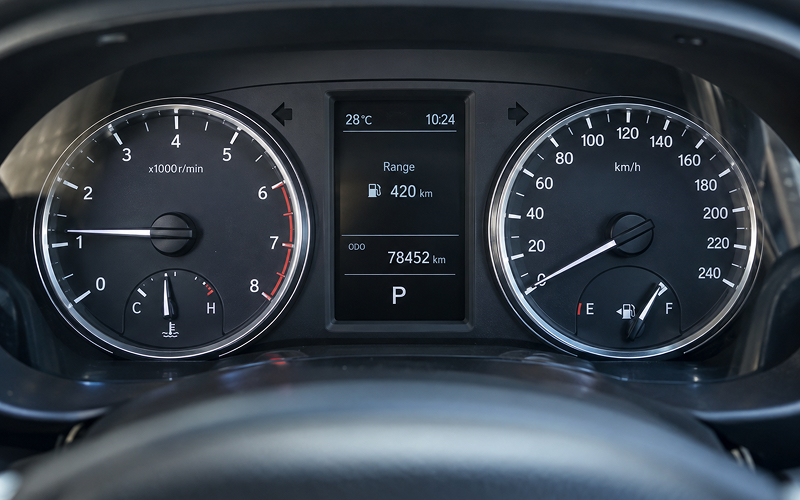
- Warning messages on the dashboard
EVs are generally heavier than comparable petrol vehicles due to their battery packs. This additional weight may contribute to faster tyre wear, particularly when combined with aggressive driving.
A visual check is also useful after buying a second-hand car, as it helps you become familiar with the vehicle’s normal condition and identify changes more quickly.
2. Accelerate Smoothly
Instant torque makes rapid acceleration feel effortless, but repeatedly accelerating hard can increase tyre wear, reduce efficiency and place unnecessary strain on drivetrain and suspension components.
Instead:
- Accelerate progressively
- Maintain steady speeds where possible
- Avoid sudden bursts of power in traffic
- Leave enough space to reduce harsh braking
Smooth acceleration is one of the simplest EV car maintenance habits to adopt. It can help preserve tyre tread while improving driving range.
3. Manage Battery Charge Levels Sensibly
Good EV battery maintenance starts with following the manufacturer’s charging guidance. Battery types and recommendations differ, so there is no single charging routine that applies to every EV.
General habits may include:
- Avoiding extremely low charge levels regularly
- Avoiding leaving the battery fully charged for long periods unless recommended
- Charging according to your expected daily travel
- Monitoring for unexpected changes in charging time or range
Many owners use a moderate charge range for daily driving and reserve a full charge for longer journeys. Sensible charging may help support the electric car battery lifespan, although gradual degradation will still occur naturally.
4. Respond to Warning Lights Early
EVs use sensors and software to monitor battery temperature, charging performance, braking and electrical systems.
Do not ignore:
- Battery system warnings
- Charging errors
- Reduced-power notifications
- Sudden drops in driving range
- Unusual sounds during braking
- Changes in acceleration or handling
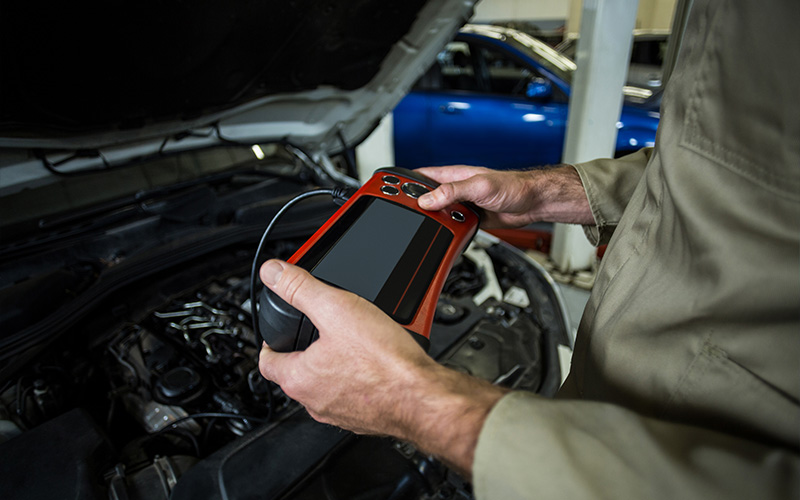
Early diagnosis may prevent a minor fault from developing into a more complicated battery or electrical repair. This applies whether you recently purchased an EV or are considering a new automobile with advanced software and driver-monitoring systems.
5. Keep Tyres Properly Inflated
Incorrect tyre pressure can cause:
- Faster or uneven tyre wear
- Reduced driving range
- Poor wet-weather grip
- Less predictable handling
- Increased rolling resistance
Check tyre pressure when the tyres are cold and follow the manufacturer’s recommended figures. Do not rely only on visual appearance, as a tyre may be underinflated without looking flat.
6. Charge Using Suitable Equipment
Charging equipment should be treated as part of the vehicle’s maintenance system.
Good habits include:
- Using reliable charging stations
- Inspecting cables and connectors before use
- Keeping the charging port clean and dry
- Storing portable cables properly
- Avoiding damaged or loose connectors
Proper charging is an important part of EV car maintenance because it helps protect both the battery and charging components.
7. Use Regenerative Braking Smoothly
Regenerative braking slows the car while recovering energy for the battery. It may reduce physical brake wear, but the conventional braking system still requires inspection.
Brake discs may still develop corrosion or uneven wear if the physical brakes are used infrequently, so they should be checked during servicing.
8. Take Extra Care During Heavy Rain
EVs are designed to operate in wet weather, but drivers should still avoid deep floodwater whenever possible.
During heavy rain:
- Reduce your speed
- Increase the following distance
- Ensure wipers work properly
- Check tyre tread regularly
- Avoid water of uncertain depth
- Watch for warning lights after severe water exposure
Floodwater can conceal potholes, debris and kerbs. Avoiding it helps protect tyres, underbody components and electrical systems.
9. Stay Consistent With Scheduled Servicing
Daily checks cannot replace professional servicing. Manufacturers may require inspections of:
- Battery cooling systems
- Brake fluid and brake components
- Suspension and steering
- Tyres and alignment
- Charging systems
- Software and diagnostic alerts
Following the recommended electric vehicle servicing schedule helps technicians identify developing faults before they affect reliability or lead to higher repair bills.
How These Habits Can Reduce Repair Costs
Many costly EV issues develop gradually.
For example:
- Underinflated tyres wear out more quickly
- Aggressive acceleration shortens tyre lifespan
- Charging faults may worsen when ignored
- Cooling problems can affect battery performance
- Warning lights may signal larger electrical issues
- Poor wet-weather driving may cause tyre or underbody damage
Consistent EV car maintenance does not eliminate every repair, but it can reduce unnecessary wear and make developing problems easier to detect.
Choosing an EV for Long-Term Ownership
The condition of an EV depends on more than its age or exterior appearance. Charging history, tyre condition, range performance, servicing records and battery health should all be reviewed before purchase.
At M Motors, our passion for cars goes beyond helping you choose the right vehicle. We also provide practical guidance on EV car maintenance, charging habits and everyday care so you can protect your investment and reduce avoidable repair costs over time.
Contact us to explore EV options suited to daily driving in Singapore and learn more about choosing a vehicle for long-term ownership.