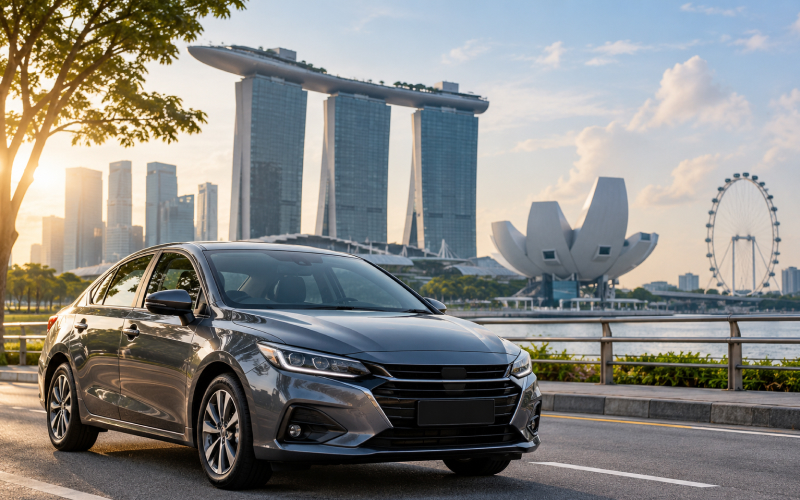
A Private Hire Vehicle (PHV) is a car used to provide ride-hailing services through platforms such as Grab, Gojek and TADA, where drivers accept bookings through a mobile app rather than picking up street-hailing passengers.
Choosing an electric car PHV may seem like a straightforward way to reduce fuel expenses. However, the decision involves more than comparing petrol prices with charging rates.
Your access to charging, daily mileage, working hours, and the choice between renting and owning can all affect whether an electric vehicle is practical for your routine. Before committing, it helps to understand how these factors influence your operating costs and take-home earnings.
Key Takeaways
- Driving an electric car PHV requires more charging and schedule planning than using a petrol vehicle.
- Rental offers lower upfront commitment, while ownership may suit drivers with stable, long-term plans.
- Charging costs may be lower than petrol expenses, but waiting and charging time can reduce productive driving hours.
- Drivers considering a brand-new car for sale should compare the monthly loan payment to their expected PHV income rather than focusing only on the purchase price.
- Tyres, suspension and other wear-related components still require attention despite simpler EV drivetrains.
- The right EV for ride-hailing should match your daily mileage, charging access and passenger needs.
Why PHV Drivers Are Considering Electric Cars
Electric vehicles are gaining attention among private-hire drivers because they can offer lower energy costs and fewer engine-related servicing requirements.
Other potential benefits include:
- A quieter and smoother driving experience
- Efficient performance in urban traffic
- Fewer conventional engine components to service
- A growing selection of EV models in Singapore
These advantages can be useful for drivers who spend long hours on the road. However, they only translate into meaningful savings when the vehicle suits your schedule and charging habits.
Renting vs Owning an Electric Car for PHV
Before choosing an electric car PHV, decide whether renting or owning better suits your plans.
- Renting offers lower upfront commitment and often includes PHV insurance, servicing and roadside assistance, making it suitable if you are new to ride-hailing or want flexibility.
- Owning provides greater long-term control but comes with financing, insurance, maintenance and depreciation. If you plan to drive consistently, you may also consider buying a second-hand car to lower the initial purchase cost, while carefully checking the battery condition, warranty, and service history.
1. Charging Becomes Part of Your Working Routine
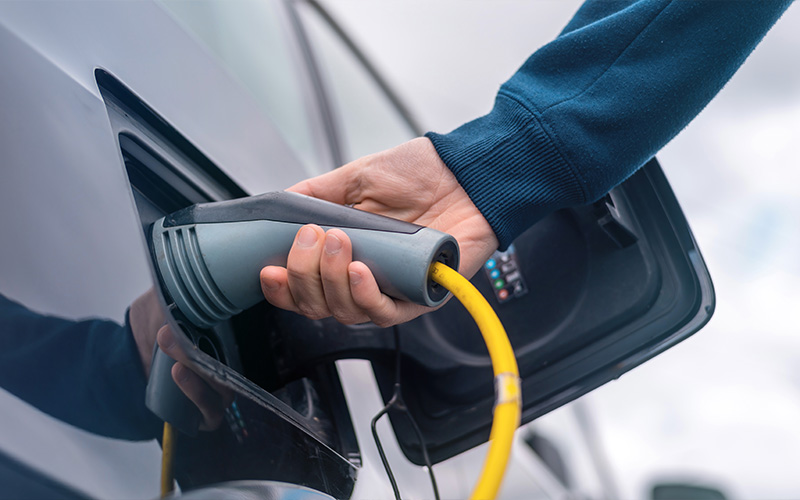
Charging replaces petrol stops, but it usually takes more planning.
Your costs and convenience will depend on:
- Whether you have access to home charging
- The location of public chargers near your usual routes
- Whether you rely on slower AC or faster DC charging
- The vehicle’s real-world driving range
- Charger availability during peak periods
A driver with convenient overnight charging may have a very different experience from someone who depends entirely on public fast chargers.
When operating an electric car PHV, charging time should therefore be treated as part of your working schedule rather than an occasional inconvenience.
2. Lower Energy Costs Do Not Guarantee Higher Earnings
Charging may cost less than petrol, especially for high-mileage drivers. However, your take-home income still depends on the full operating cost.
Regular expenses may include:
- Rental fees or loan repayments
- Platform commissions
- Insurance
- Parking and ERP charges
- Charging fees
- Maintenance
- Time spent waiting or charging
3. Vehicle Range Must Match Your Driving Pattern
An EV with a shorter range may be suitable for part-time city driving but inconvenient for long shifts or frequent airport trips.
Before comparing car listings, consider:
- Your expected daily mileage
- Whether you can charge between shifts
- Typical passenger and luggage requirements
- Charging speed
- Boot and rear-seat space
- Air-conditioning use during long working hours
4. An EV for Daily DrivingStill Needs Practical Comfort
A suitable EV for daily driving should remain comfortable and manageable across long shifts, not just short personal trips.
Consider factors such as:
- Seat comfort during extended hours
- Rear-seat space for passengers
- Boot capacity for luggage
- Cabin cooling efficiency
- Visibility and ease of manoeuvring
- Charging speed between shifts
A private hire electric vehicle should support both driver comfort and passenger practicality. Choosing a model based only on range or price may create problems later if cabin space, charging speed or ride comfort does not suit PHV use.
5. Maintenance Costs Are Different, Not Eliminated
Electric vehicles do not require engine oil changes or many conventional transmission services. However, PHV mileage can still accelerate wear on other components.
Common maintenance items include:
- Tyres
- Brakes
- Suspension components
- Air-conditioning systems
- Wheel alignment
- Battery cooling systems
Regenerative braking may reduce brake wear, but tyres and suspension can still require more frequent attention due to long daily driving hours.
Before purchasing, ask what servicing support, battery warranty and replacement coverage are included. This can help you compare the actual ownership value of different EVs rather than relying only on the listed price.
6. Insurance and Repair Costs Need Attention
A vehicle used for private-hire work requires suitable PHV insurance. Standard private car insurance may not provide the correct coverage.
EV repair costs can also differ from those of petrol vehicles due to specialist components and repair procedures. Rental packages may include insurance, but drivers should confirm:
- The insurance excess
- Named-driver requirements
- Accident reporting procedures
- Replacement vehicle arrangements
- Whether roadside recovery is included
Questions to Ask Before Committing
Before choosing an electric car PHV, consider the following:
- Can you charge conveniently near your home or regular routes?
- How many kilometres do you expect to drive each day?
- Will charging interrupt your busiest working periods?
- Are you comfortable with a long-term loan?
- Does the vehicle provide enough space for passengers and luggage?
- Have you calculated your earnings after all recurring costs?
Answering these questions can help you determine whether the lower energy costs of an EV outweigh the financial commitment and charging adjustments involved.
Find an Electric CarThat Fits Your PHV Routine
M Motors understands that choosing an electric vehicle for private-hire work involves more than selecting a model with an attractive price or long advertised range. Our team takes the time to understand your expected mileage, charging access, budget and working routine before recommending suitable options.
Each vehicle is assessed with practical PHV use in mind, including condition, passenger comfort, running costs and long-term ownership needs.
Contact us to explore an electric vehicle that supports your driving plans without overlooking the everyday realities of charging, maintenance and operating costs.