Key Takeaways:
- In Singapore, car inspections serve different purposes, from legal compliance to buyer protection and resale preparation.
- Passing a regulatory inspection does not mean a car is mechanically perfect or future-proof.
- A proper used car inspection goes deeper than standard compliance checks and reduces buying risk.
- A workshop-based vehicle health check in Singapore is useful for monitoring conditions but varies in scope.
- Understanding the right car inspection requirements in Singapore helps you avoid delays, failed renewals, and unexpected costs.
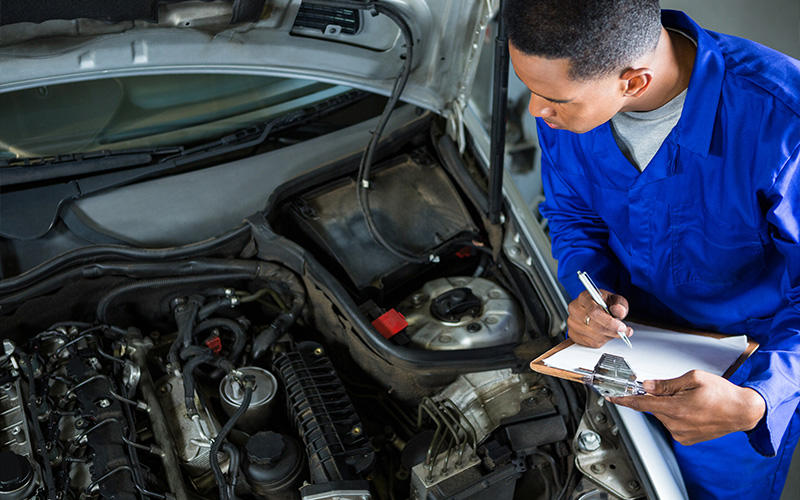
Why Car Inspection Matters in Singapore
Car inspection in Singapore is not a single, uniform process. Each type of inspection is designed for a specific purpose, whether to satisfy regulatory standards, protect buyers during a transaction, or ensure a vehicle remains roadworthy before COE renewal.
Many owners assume that if a car has “passed inspection”, it is mechanically sound in every respect. That is not always accurate. Some inspections focus purely on compliance, while others examine deeper mechanical health.
Knowing what each inspection includes and excludes allows you to make informed decisions when planning to buy new car models, evaluating resale potential, or managing long-term ownership costs.
Mandatory Periodic Vehicle Inspection (LTA Inspection)
This is the legally required inspection conducted at authorised centres to ensure a vehicle meets national safety and emissions standards. It is the most common form of car inspection in Singapore.
What It Covers
A standard regulatory car inspection checklist typically includes:
- Braking system performance
- Steering and suspension condition
- Lights, signals and horn functionality
- Tyre condition and basic wheel alignment checks
- Exhaust emissions and noise levels
Visual checks on vehicle structure and chassis integrity
Technical Timing
- Cars aged 3 to 10 years: inspection every 2 years
- Cars aged over 10 years: inspection annually
These timelines form part of the official car inspection requirements in Singapore and are mandatory for road tax renewal.
What It Does Not Cover
Despite its importance, this inspection does not fully assess:
- Detailed engine health beyond emissions compliance
- Transmission performance under load
- Long-term wear risks or hidden mechanical deterioration
A common misconception is that passing this inspection means the car is mechanically excellent. In reality, it only confirms compliance then.
Pre-Purchase Inspection (PPI) for Used Cars
A used car inspection conducted before purchase is optional but strongly recommended. It is especially important when buying from private sellers or when the service history is unclear.
What It Typically Covers
A comprehensive PPI usually includes:
- Engine and transmission performance
- Suspension, brakes and drivetrain wear
- Accident or flood damage indicators
- Undercarriage and structural frame checks
- Diagnostic scans using OBD tools
- Road test evaluation under real driving conditions
This level of detail goes beyond regulatory checks and provides a clearer picture of the vehicle’s true condition.
When It Is Most Suitable
- Purchasing from private sellers
- Higher-value or older vehicles
- Vehicles without complete maintenance records
For buyers comparing multiple car deals in Singapore, a pre-purchase inspection helps separate genuinely well-maintained vehicles from those that merely look presentable.
A Balanced Perspective
Even the most thorough inspection cannot predict every future failure. Wear-and-tear components may still require replacement after purchase. A PPI reduces risk but does not eliminate it entirely.
Dealer or Workshop Vehicle Health Checks
Many authorised dealers and independent workshops offer a vehicle health check as part of routine servicing or before resale.
What They Usually Cover
- Visual inspection of major components
- Fluid levels and potential leaks
- Brake pad and tyre wear estimates
- Battery health checks
- Basic system scans, depending on package
These checks are useful for ongoing maintenance and can help sellers prepare their vehicle before requesting a used car valuation.
Limitations
- Scope varies significantly by workshop
- Some checks are largely visual rather than diagnostic
- Not always as detailed as an independent pre-purchase inspection
While valuable for general condition monitoring, these assessments should not replace an independent inspection during a transaction.
COE-Related and Special Condition Inspections
Certain inspections are tied to specific ownership situations rather than routine maintenance.
Common Examples
- COE renewal inspections focusing on roadworthiness and emissions
- Post-accident inspections after major repairs
- Modified vehicle inspections to ensure aftermarket parts comply with regulations
Modified vehicles may require additional approval checks, particularly if structural or performance-related changes have been made.
Failing such inspections can delay COE renewal and increase administrative costs. Servicing the vehicle beforehand does not guarantee approval, as regulatory standards focus strictly on compliance rather than maintenance quality.
Understanding these specialised requirements is essential when extending vehicle ownership beyond the initial COE period.
Comparing Inspection Types at a Glance
| Inspection Type | Primary Purpose | Depth of Mechanical Assessment | Mandatory? |
| Periodic LTA Inspection | Regulatory compliance | Basic compliance-focused | Yes |
| Pre-Purchase Inspection | Buyer protection | Deep mechanical evaluation | No |
| Workshop Health Check | Maintenance monitoring | Moderate, varies by workshop | No |
| COE/Special Inspections | Specific regulatory approval | Compliance-focused with case-specific checks | Conditional |
This comparison highlights that not every car inspection in Singapore provides the same level of insight.
Choosing the Right Inspection for Your Situation
The appropriate inspection depends on your objective:
- Buying from a private seller: opt for a full pre-purchase inspection.
- Preparing a car for resale: conduct a workshop health check and address issues early.
- Renewing COE: ensure compliance-based checks are completed ahead of deadlines.
- Maintaining long-term ownership: schedule periodic diagnostic evaluations beyond basic compliance inspections.
Making the correct choice prevents unnecessary expenses, delays and negotiation setbacks.
Professional Guidance Makes the Difference
Interpreting inspection findings can be challenging. A minor oil seepage may be manageable, while structural corrosion could be a serious concern. Understanding which issues are negotiable and which are deal-breakers requires experience.
At M Motors, we guide car owners through the different types of car inspection in Singapore, helping you:
- Identify which inspection applies to your situation
- Interpret results clearly and objectively
- Decide whether repairs are urgent or manageable
- Move forward confidently when buying or selling
Whether you are assessing a potential purchase, planning a sale, or reviewing compliance before renewal, our team provides practical advice tailored to your needs.
Speak with us today to gain clarity on car inspections in Singapore and ensure your next automotive decision is informed and well-supported.